
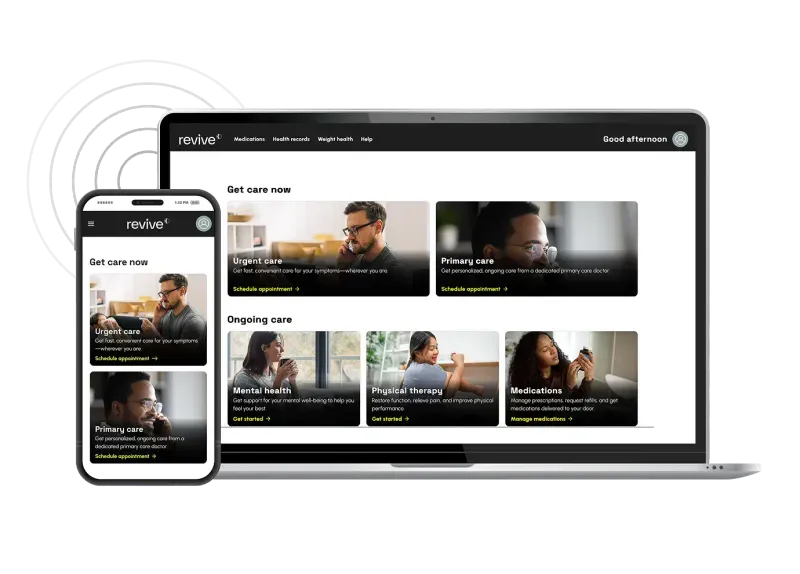
Virtual Care Should Strengthen Human Connection — Not Replace It
One of the biggest questions employers continue to ask when evaluating virtual healthcare solutions is whether a digital-first approach will actually improve the employee experience or unintentionally diminish the human connection people value most in healthcare.
After years of working with employers across industries implementing these solutions, my perspective is simple:
Technology should not replace the human experience in healthcare. It should remove the barriers that prevent people from accessing care in the first place.
The Best Benefits Are the Ones Employees Actually Use
Employers are right to be thoughtful about introducing technology into something as personal as healthcare. But when implemented correctly, technology can make healthcare more accessible, responsive, and ultimately more compassionate.
The most valuable healthcare benefit is the one employees feel comfortable using when they actually need help.
When healthcare becomes easier to access, employees are far more likely to engage proactively instead of delaying care until issues become more serious and more expensive.
In organizations where I’ve helped implement virtual care strategies, I’ve received countless calls, emails, and messages from employees expressing appreciation for being able to:
- care for a sick child or spouse more easily,
- quickly refill a needed prescription,
- connect with mental health support,
- or access care they otherwise would have postponed altogether.
That’s not technology replacing humanity. That’s technology helping people receive care at the moments they need it most.
Virtual Care Is About More Than Convenience
One of the biggest misconceptions employers still have is viewing virtual healthcare as simply a convenient urgent care option.
Convenience matters, but today’s workforce needs far more comprehensive support than that.
A modern healthcare strategy should support the full spectrum of employee well-being, including:
- mental health services,
- weight health and chronic condition management,
- physical therapy,
- dermatology,
- primary care,
- pharmacy support,
- and ongoing wellness engagement.
This is no longer just a discussion for annual benefits meetings. For many employers, it has become an important workforce and retention strategy.
When employees can access care quickly, affordably, and without unnecessary complexity, they are more likely to stay engaged in both their health and their work.
The Retention Impact Is Real
I worked with a large national restaurant organization where one of the biggest operational challenges was extremely high employee turnover.
In a highly competitive hourly workforce environment, average employee tenure was approximately six months.
After implementing a more comprehensive virtual care strategy, the organization experienced a noticeable improvement in retention. In some cases, employee tenure increased by an additional six months.
Even more importantly, employees directly communicated that the healthcare benefit itself influenced their decision to stay with the company instead of pursuing other opportunities.
That’s an important shift employers should pay attention to.
Healthcare benefits are no longer viewed simply as administrative offerings. Increasingly, they are becoming part of the overall employee experience and a meaningful driver of retention, loyalty, and workforce satisfaction.
Why Some Virtual Care Strategies Fail
The reality is that not every virtual healthcare platform is designed for meaningful engagement.
Too often, organizations implement solutions simply to check a box during benefits planning or open enrollment without building a long-term engagement strategy around how employees will actually use the services.
That approach rarely creates lasting impact.
Successful implementation starts with understanding the workforce itself:
- how employees prefer to communicate,
- what barriers prevent them from seeking care,
- what populations may need additional education or support,
- and what messaging will genuinely resonate.
At Revive, we spend significant time understanding the unique needs of each workforce before implementation begins.
Communication strategies should be tailored to the employee population so people not only understand the services available to them, but also feel comfortable and encouraged to use them consistently.
Ongoing reporting and engagement analysis are equally important. Quarterly utilization reviews can help employers identify:
- where engagement is growing,
- where adoption may be lagging,
- and where additional education or communication may be needed.
Virtual healthcare is not simply a technology rollout. It’s an ongoing engagement strategy centered around improving access, experience, and outcomes.
Final Thoughts
My advice to employers considering a virtual healthcare strategy is simple: Don’t wait.
But just as importantly, find a partner with the flexibility, infrastructure, and long-term vision to support the unique needs of your workforce.
No two organizations are identical.
No two employee populations engage with healthcare the same way.
And no two strategies should look exactly alike.
The organizations that will succeed moving forward are the ones that stop viewing virtual care as a supplemental benefit and start viewing it as a core component of a modern healthcare and workforce strategy.