
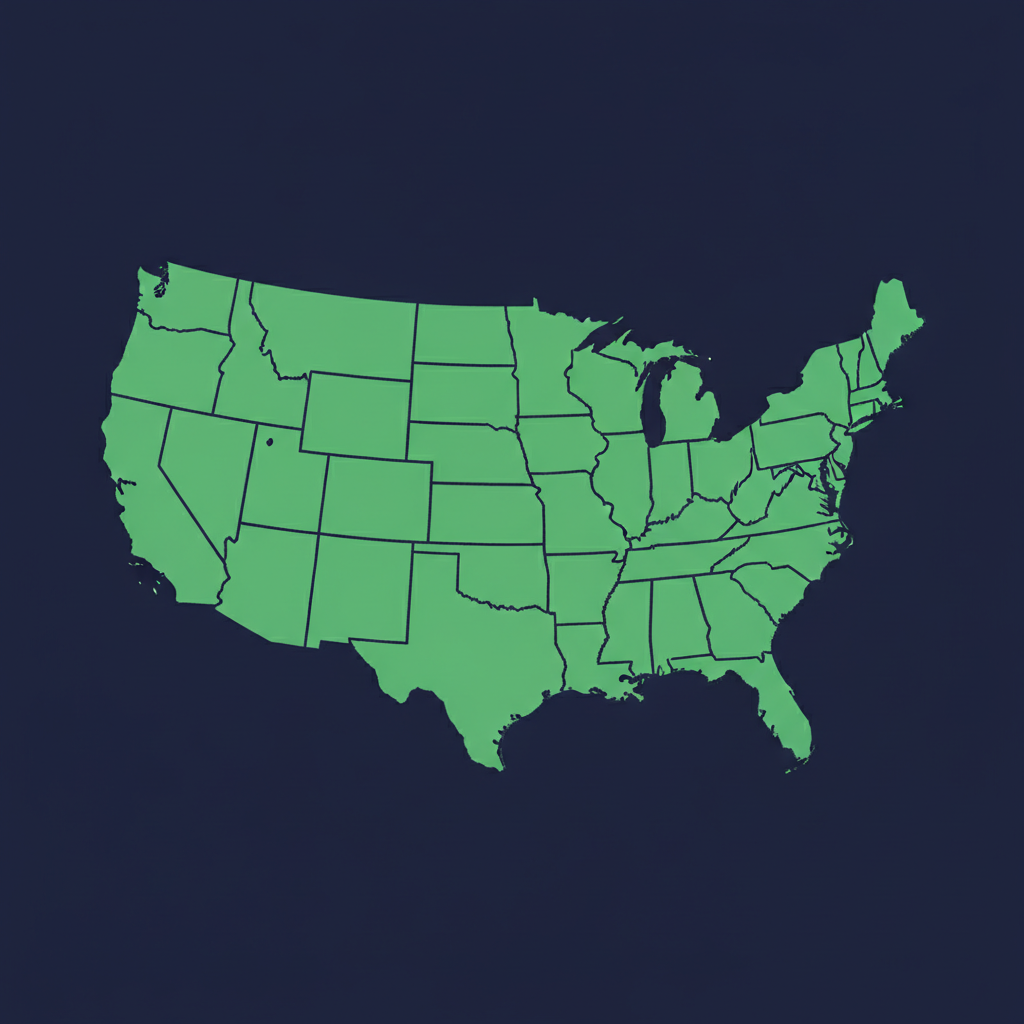
For employers operating across multiple jurisdictions, understanding this patchwork of regulations is essential to maintaining compliance and protecting employees. ASI – Advanced Strategies Inc works with organizations nationally to help them stay ahead of these evolving obligations.
Although the requirements vary significantly, one constant remains: workplace sexual harassment training is an increasingly standard expectation for employers committed to creating safe and inclusive environments. Below is a comprehensive overview of key state requirements based on the most recent nationwide regulatory updates.
States with Mandatory Sexual Harassment Training
Several U.S. states mandate sexual harassment prevention training for at least some categories of employees. These requirements continue to evolve as lawmakers seek stronger workplace protections. States including California, Connecticut, Colorado, Hawaii, Illinois, Iowa, Maine, Maryland, Massachusetts, Minnesota, Nevada, New Hampshire, New Jersey, New Mexico, New York, Oregon, Rhode Island, Vermont, Washington, and Wisconsin have laws requiring employers to provide training.
Some states expand their requirements to cover specific industries or types of workers. For example, Washington requires annual recordkeeping for property services contractors, beginning January 1, 2026.
Examples of State-Specific Requirements
California
California mandates interactive sexual harassment training for employers with more than five employees. Training must include practical examples and be provided to both supervisory and non‑supervisory employees. Employers must also maintain written anti‑harassment policies.
Connecticut
Connecticut requires employers to train supervisors and employees, offering several approved courses that align with the state’s detailed content guidelines. ([nca-i.com](https://nca-i.com/State-by-State-Sexual-Harassment-Training-Requirements?utm_source=openai))
Delaware
Delaware requires employers to provide sexual harassment prevention training to all employees every two years under amendments to the Delaware Discrimination in Employment Act. ([help.goethena.com](https://help.goethena.com/hc/en-us/articles/6917323930125-Suggested-State-By-State-Requirements-for-Harassment-Prevention-Training?utm_source=openai))
Illinois
Illinois requires all employers statewide to provide annual sexual harassment prevention training to all employees. The law outlines minimum content standards, including definitions, legal references, and employer responsibilities. These requirements have become a model for other states. ([legalclarity.org](https://legalclarity.org/is-harassment-training-required-by-law/?utm_source=openai))
New York
New York was one of the first states to enact a mandatory annual harassment training requirement under the New York State Human Rights Law. Many New York City employers can meet both state and city requirements using approved online training programs. ([legalclarity.org](https://legalclarity.org/is-harassment-training-required-by-law/?utm_source=openai))
Oregon
While Oregon does not mandate annual training for all employers, it does require employers to adopt written anti‑harassment policies addressing prohibited conduct and reporting procedures as of October 1, 2020. Training is strongly encouraged. ([nca-i.com](https://nca-i.com/State-by-State-Sexual-Harassment-Training-Requirements?utm_source=openai))
Rhode Island
Rhode Island does not mandate statewide training but encourages employers to offer education programs for employees and requires additional instruction for managers and supervisors within one year of entering those roles. ([nca-i.com](https://nca-i.com/State-by-State-Sexual-Harassment-Training-Requirements?utm_source=openai))
States with Industry-Specific Requirements
Some states extend training requirements to defined industries rather than all employers. For example, California requires sexual violence and harassment prevention training every two years for janitorial employers under the Property Service Workers Protection Act. ([issa.com](https://www.issa.com/member-resources/state-registration-and-harassment-training/?utm_source=openai))
Other states, such as Washington and Illinois, impose specialized rules for hospitality, retail, security, and property services roles—particularly for isolated workers who may face higher risk. New requirements taking effect on January 1, 2026, apply to supervisors, managers, and isolated employees in several industries. ([legalclarity.org](https://legalclarity.org/is-harassment-training-required-by-law/?utm_source=openai))
Recordkeeping and Documentation
Many states now require employers to maintain training records, including attendance logs, training dates, and content outlines. Washington’s record submission requirements beginning in 2026 are an example of how states are formalizing these obligations. ([goethena.com](https://www.goethena.com/post/harassment-training-requirements-by-city-and-state/?utm_source=openai))
Even in states without formal mandates, documentation protects employers during audits, complaints, or litigation. Several states recommend retaining proof of training for at least one to three years. ([legalclarity.org](https://legalclarity.org/which-states-require-sexual-harassment-training/?utm_source=openai))
States Without Mandated Training Requirements
Some states, such as Georgia, do not mandate sexual harassment prevention training. However, legal experts emphasize that laws may change frequently, and employers should monitor state or municipal updates regularly. ([hrknowledge.com](https://www.hrknowledge.com/wp-content/uploads/2020/11/State-by-State-Roundup-%E2%80%94-Sexual-Harassment-Prevention-Training-Requirements.pdf?utm_source=openai))
Even in the absence of state mandates, employers remain subject to federal anti‑discrimination laws and may face liability if they fail to take reasonable steps to prevent and correct harassment. Training is widely recommended as a best practice for risk mitigation.
Special Considerations for Multi‑State Employers
Organizations operating in multiple states must reconcile varied training rules while ensuring consistent messaging and policy enforcement. Training programs should be tailored to meet the strictest applicable standards without diluting state‑specific requirements. Employers in industries such as retail, hospitality, and property services must take extra care to account for additional obligations covering isolated or high‑risk workers. ([legalclarity.org](https://legalclarity.org/is-harassment-training-required-by-law/?utm_source=openai))
Additionally, some states impose exemptions or relaxed requirements for short‑term or temporary employees. For example, certain jurisdictions do not require training for employees who work fewer than 30 days or under 100 hours within a calendar year. ([assets.ctfassets.net](https://assets.ctfassets.net/yeifnqykykwc/3ooocYzpw1XYKs2zRTHlit/74262754366a55a992c4e7a48b5a5993/State_and_Local_Sexual_Harassment_Prevention_Training_Requirements_v4.4_11152023.pdf?utm_source=openai))
FAQ
How many states require sexual harassment prevention training?
At least 20 states currently mandate training for some or all employers, with additional states requiring training for certain industries or job roles. The number continues to grow as states refine their regulations. ([en.wikipedia.org](https://en.wikipedia.org/wiki/Sexual_harassment?utm_source=openai))
Do all employees need to be trained?
In most regulated states, both supervisory and non‑supervisory employees must be trained. Some states also require training for contractors, temporary employees, or isolated workers. Requirements vary by jurisdiction. ([legalclarity.org](https://legalclarity.org/is-harassment-training-required-by-law/?utm_source=openai))
How often must training occur?
Frequency varies by state. Many require annual training (e.g., New York and Illinois), while others require training every two years or upon hire. Industry‑specific rules may differ. ([help.goethena.com](https://help.goethena.com/hc/en-us/articles/6917323930125-Suggested-State-By-State-Requirements-for-Harassment-Prevention-Training?utm_source=openai))
Is interactive training required?
Some states specify that training must be interactive, allowing questions, knowledge checks, or scenario‑based exercises. This standard is common in states with more detailed regulations. ([paychex.com](https://www.paychex.com/articles/compliance/mandated-sexual-harassment-prevention-training?utm_source=openai))
What happens if an employer is non‑compliant?
Penalties vary by state and may include fines, audits, or increased liability exposure. In many jurisdictions, lack of training can weigh against employers in harassment claims. ([legalclarity.org](https://legalclarity.org/which-states-require-workplace-sexual-harassment-training/?utm_source=openai))
Staying Compliant in a Changing Regulatory Environment
Sexual harassment prevention training requirements continue to evolve, with more states adopting mandatory standards each year. For employers, especially those with multi‑state operations, staying informed is essential. ASI – Advanced Strategies Inc helps organizations navigate these regulations, develop compliant training programs, and maintain documentation aligned with state and industry‑specific requirements.
By proactively aligning your training program with state mandates, you protect your employees, strengthen your workplace culture, and reduce organizational risk across all jurisdictions in which you operate.